On this page
- Why Shopify Personalization Isn’t Optional Anymore
- The 4 Pillars of High-Converting Shopify Personalization
- 2. Dynamic Product Recommendations That Actually Convert
- Implementation Roadmap
- The Hidden Cost of Getting Personalization Wrong
- Real Results: How a $29 App Transformed a Shopify Store
- Your Personalization Checklist for Maximum Impact
- Frequently Asked Questions
- The Future Is Personal (And Profitable)
Imagine this: A visitor lands on your Shopify store, instantly sees products that match their style, receives recommendations based on their browsing behavior, and feels like you’ve read their mind.
That’s not science fiction—it’s the baseline expectation of modern shoppers.
This isn’t just about adding someone’s name to an email—it’s about creating dynamic shopping experiences that convert casual browsers into loyal customers.
As Shopify’s ecosystem continues explosive growth—with $2 billion in revenue during Q2 2024 alone—the brands winning the race are those mastering shopify personalization at every touchpoint.
But here’s the reality check: While over 50% of consumers willingly share personal information in exchange for personalized offers, most stores still treat every visitor the same.
In this blog, we’ll break down the essential strategies from our comprehensive Personalization Guide for Shopify Stores—giving you actionable steps to transform your store’s customer experience.
5 Key Takeaways
1. The 40% Revenue Secret: Stores implementing strategic shopify personalization see revenue increases up to 40%, but most leave this money on the table by using only basic segmentation.
2. The Mobile Personalization Gap: 68% of Shopify merchants haven’t optimized their mobile experience for personalization, despite mobile shoppers converting 3x faster when shown relevant content.
3. Behavioral Triggers > Demographics: Top-performing stores achieve 37% higher conversion rates by triggering personalization based on real-time behavior (like cart abandonment) rather than static customer profiles.
4. The $50 App That Changes Everything: You don’t need enterprise budgets—specialized Shopify apps under $50/month can implement sophisticated personalization without a single line of code. 5. The Consistency Crisis: 90% of shoppers expect consistent personalization across all brand touchpoints, yet only 28% of Shopify stores deliver seamless experiences between email, social, and their storefront. The ecommerce landscape has fundamentally shifted. Today’s consumers don’t just appreciate personalization—they demand it as table stakes. Consider these eye-opening statistics: But here’s what most guides won’t tell you: Generic “personalization” fails. The magic happens when you implement strategic relevance—showing the right product, to the right person, at the right moment, through the right channel. Recommended Blog for You: Forget outdated demographic targeting. Modern shopify personalization thrives on behavioral signals: Pro Tip: Use Shopify’s native customer profiles combined with apps like LimeSpot to capture behavioral data without complex coding. The key is transparency—always explain why you’re collecting data (“We’ll use this to show you relevant styles”). Static “Customers Also Bought” sections are dead. High-performing stores implement: According to recent data, stores using dynamic recommendations see 35% higher average order values compared to basic suggestion models. Most Shopify stores use 3-5 basic segments. Winners deploy 15+ micro-segments based on: Case Study: A sustainable fashion brand increased revenue by 37% in 6 weeks by creating “Eco-Conscious Explorer” segments based on browsing behavior (organic cotton searches + eco-blog engagement) rather than basic purchase history. True shopify personalization extends beyond your storefront: Brands implementing omnichannel personalization see customer retention rates 90% higher than those focusing solely on website personalization. 1. Install Shopify’s free Customer Segmentation tool (no coding required) 2. Connect Google Analytics 4 to capture behavioral data 3. Choose one high-impact personalization strategy (start with cart recovery) 4. Install a dedicated app (Nosto or LimeSpot for beginners, Dynamic Yield for advanced) 1. Create 3 behavioral segments: 2. Set up dynamic recommendation zones: 3. Configure email automations with personalized triggers 1. A/B test 2 versions of your personalized elements 2. Track micro-conversions (not just sales): Time on site Pages per visit Email click-through rates 3. Document your baseline metrics before scaling Critical Warning: Avoid the “spray and pray” approach. One well-executed personalization strategy outperforms five half-baked implementations. While the rewards are substantial, poor implementation can backfire: Over-personalization: 41% of shoppers feel “creeped out” when stores know too much Inconsistent experiences: 68% will abandon carts if mobile experience doesn’t match desktop personalization Data silos: Stores using disconnected tools see 22% lower conversion lift from personalization The solution? Start small, prioritize transparency (“We use your data to improve your experience”), and always provide opt-out options. The Challenge: A home goods store with 12,000 monthly visitors had stagnant conversion rates (1.8%) and low average order value ($42). The Fix: They implemented LimeSpot’s “Personalizer” app ($29/month) focusing on: The Results (60 days later): This wasn’t magic—it was strategic shopify personalization executed simply. Before launching your strategy, verify these critical elements: Stores implementing comprehensive personalization see average revenue increases of 40%, with top performers achieving up to 75% lifts during holiday seasons. No,most merchants use no-code apps from the Shopify App Store. Tools like Nosto, LimeSpot, and Personalizer offer drag-and-drop interfaces requiring zero technical skills. Start with basic segmentation before advancing to AI-powered solutions. Abandoned cart recovery with personalized elements delivers the quickest returns, with stores typically seeing 15-30% recovery rates within 30 days. Adding product images and personalized subject lines boosts effectiveness by 27%. Transparency is crucial. Implement these three practices: Absolutely. Stores with as few as 500 monthly visitors see results by focusing on behavioral triggers rather than big data. For example, showing “Recently viewed” products to returning visitors can increase conversions by 18% even with limited traffic. As Shopify continues its meteoric rise, powering 4.82 million online stores globally with 190 million monthly visits to its platform, personalization separates the thriving stores from the struggling ones. The brands winning today aren’t those with the biggest budgets, but those implementing strategic, transparent, and scalable shopify personalization that respects customer preferences while driving measurable revenue. Your next step? Pick one strategy from this guide and implement it within 48 hours. The stores dominating 2024 aren’t waiting for “perfect”—they’re testing, learning, and personalizing at speed. Your customers aren’t just expecting personalization; they’re actively choosing stores that deliver it. The question isn’t whether you can afford to implement personalization—it’s whether you can afford not to.Why Shopify Personalization Isn’t Optional Anymore
👉 Choosing the Perfect Color Scheme for Your Shopify Store
👉 Shopify Store Design Guide
👉 How to Add Custom Animations to Your Shopify Store
👉 Shopify Checkout Design GuideThe 4 Pillars of High-Converting Shopify Personalization
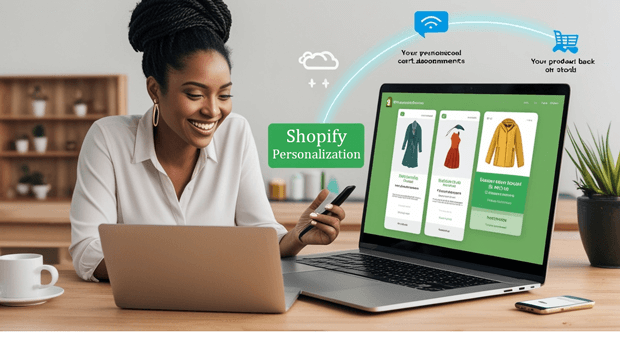
1. Behavioral Data Collection (Without Being Creepy)
2. Dynamic Product Recommendations That Actually Convert
3. Segmentation That Goes Beyond “First-Time vs. Returning”
Segment Type Example Conversion Impact Behavioral Viewed product 3+ times 28% higher conversion Temporal Last purchase >90 days ago 41% cart recovery rate Geographic Local weather patterns 33% seasonal uplift Engagement Opened 3+ emails last month 22% higher AOV 4. Omnichannel Personalization That Feels Seamless
Implementation Roadmap
Day 1: Audit & Foundation
Day 2: Strategic Configuration
Day 3: Test & Optimize
The Hidden Cost of Getting Personalization Wrong
Real Results: How a $29 App Transformed a Shopify Store
Your Personalization Checklist for Maximum Impact
Frequently Asked Questions
How much does Shopify personalization typically increase sales?
The key is focusing on high-impact areas like cart recovery and product recommendations first.Do I need coding skills to implement Shopify personalization?
Which personalization strategy gives the fastest ROI?
How do I handle privacy concerns with personalization?
1. Add a clear explanation on your checkout page (“We use browsing data to show relevant products”)
2. Provide easy opt-out options in your footer
3. Never use sensitive data (health, financial) for personalizationCan personalization work for low-traffic Shopify stores?
The Future Is Personal (And Profitable)